
Understanding How Noise-Cancelling Technology Works and Its Benefits
Noise-cancelling technology has transformed how people experience sound in noisy environments. Whether on a crowded airplane, a busy street, or a noisy office, noise-cancelling headphones and devices help create a quieter space for focus, relaxation, or entertainment. But how does this technology actually work, and what benefits does it offer beyond just reducing noise? This post breaks down the science behind noise-cancelling technology and explores its practical advantages.

How Noise-Cancelling Technology Works
Noise-cancelling technology uses a combination of microphones, electronic circuitry, and speakers to reduce unwanted ambient sounds. There are two main types of noise cancellation: passive and active.
Passive Noise Cancellation
Passive noise cancellation relies on physical barriers to block sound waves. This includes thick ear cushions, snug ear cups, and materials that absorb sound. For example, over-ear headphones with dense padding reduce noise by sealing the ear and preventing sound from entering. This method works well for high-frequency sounds like human voices or office chatter but is less effective against low-frequency noises such as engine hum or traffic.
Active Noise Cancellation (ANC)
Active noise cancellation uses electronics to cancel out sound waves. Tiny microphones placed inside and outside the ear cups pick up ambient noise. The headphones then generate sound waves that are the exact opposite (called anti-phase waves) of the incoming noise. When these opposite waves meet, they interfere with each other and cancel out, reducing the overall noise level.
This process happens in real time and requires precise timing and processing power. The result is a significant reduction in background noise, especially low-frequency sounds like airplane engines, air conditioners, or city traffic.
Hybrid Noise Cancellation
Some advanced headphones combine passive and active noise cancellation for better results. The physical design blocks some noise, while the active system targets the remaining sounds. This combination offers a more immersive and quieter listening experience.
Practical Benefits of Noise-Cancelling Technology
Noise-cancelling technology offers more than just quieter surroundings. It improves comfort, focus, and even hearing health in various situations.
Improved Concentration and Productivity
In noisy environments like open offices or public transport, background noise can disrupt concentration. Noise-cancelling headphones help block distractions, allowing users to focus better on work or study. For example, students using ANC headphones in busy libraries report improved attention and reduced fatigue.
Enhanced Audio Experience
By reducing ambient noise, noise-cancelling headphones allow listeners to enjoy music, podcasts, or movies at lower volumes. This protects hearing by preventing the need to crank up the volume to drown out background sounds. Audiophiles appreciate how ANC technology reveals more detail in recordings by minimizing external interference.
Stress Reduction and Relaxation
Constant noise can increase stress levels and cause fatigue. Noise-cancelling devices create a calm environment by reducing unwanted sounds. Travelers often use ANC headphones to relax on flights, blocking engine noise and chatter. This helps improve sleep quality and reduces travel-related stress.
Hearing Protection
Exposure to loud noise over time can damage hearing. Noise-cancelling headphones reduce the need to raise volume levels, protecting ears from potential harm. In noisy workplaces, ANC devices can supplement ear protection by lowering ambient noise.

Common Uses of Noise-Cancelling Technology
Noise-cancelling technology is popular in many settings, each benefiting from quieter surroundings.
Travel: Airplane cabins and trains are noisy. ANC headphones help travelers rest or enjoy entertainment without distraction.
Work: Open-plan offices can be loud. Noise cancellation helps employees focus and reduces interruptions.
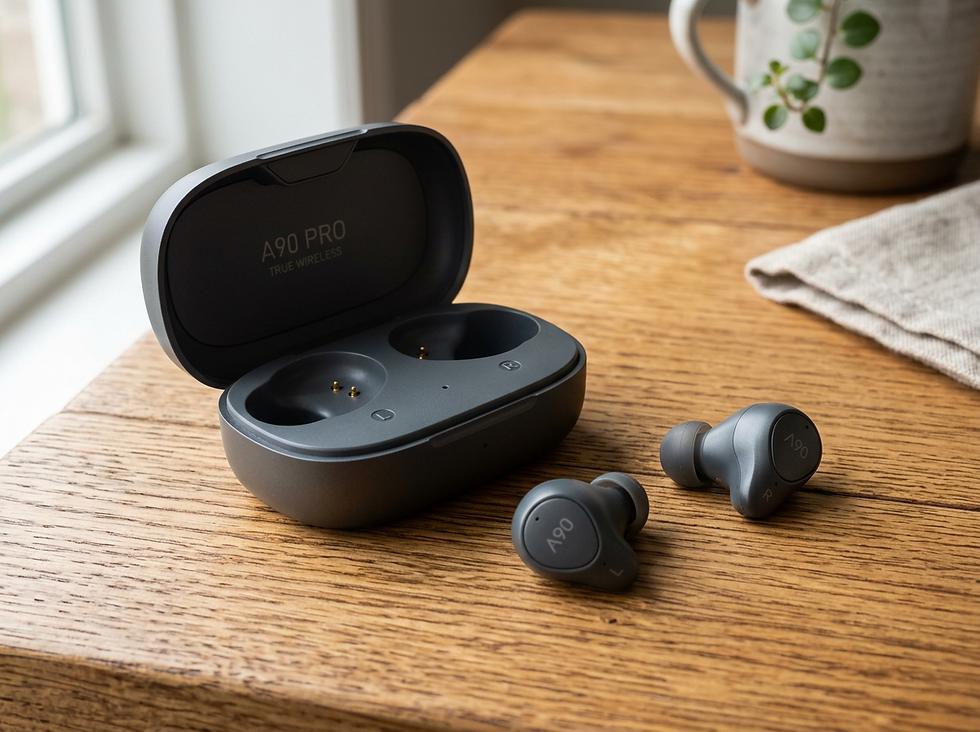
Commuting: Busy streets and public transport create constant noise. Noise-cancelling earbuds or headphones make daily commutes more pleasant.
Home: For people living in noisy neighborhoods, ANC devices create a peaceful space for reading, meditation, or sleep.
Choosing the Right Noise-Cancelling Device
When selecting noise-cancelling headphones or earbuds, consider these factors:
Type: Over-ear models usually offer better noise cancellation and comfort for long use. In-ear models are more portable.
Battery Life: Active noise cancellation requires power. Look for devices with long battery life if you plan to use them frequently.
Sound Quality: Some models prioritize noise cancellation over audio fidelity. Choose one that balances both according to your needs.
Comfort: Since you may wear them for hours, comfort is key. Try different designs to find what fits best.
Price: Noise-cancelling technology varies in cost. Higher-end models often provide better cancellation and sound quality but consider your budget.

Comments