
The Ultimate Buying Guide: Over-Ear vs In-Ear Headphones
Choosing the right headphones can transform your listening experience, whether you enjoy music, podcasts, or gaming. But with so many options, deciding between over-ear and in-ear headphones can be confusing. This guide breaks down the key differences, benefits, and drawbacks of each type to help you make an informed choice.

Comfort and Fit
Comfort is a major factor when picking headphones, especially if you plan to wear them for long periods.
Over-ear headphones have large ear cups that surround your ears completely. This design spreads pressure evenly and reduces ear fatigue. Many models come with soft padding and adjustable headbands, making them ideal for extended use at home or in the office.
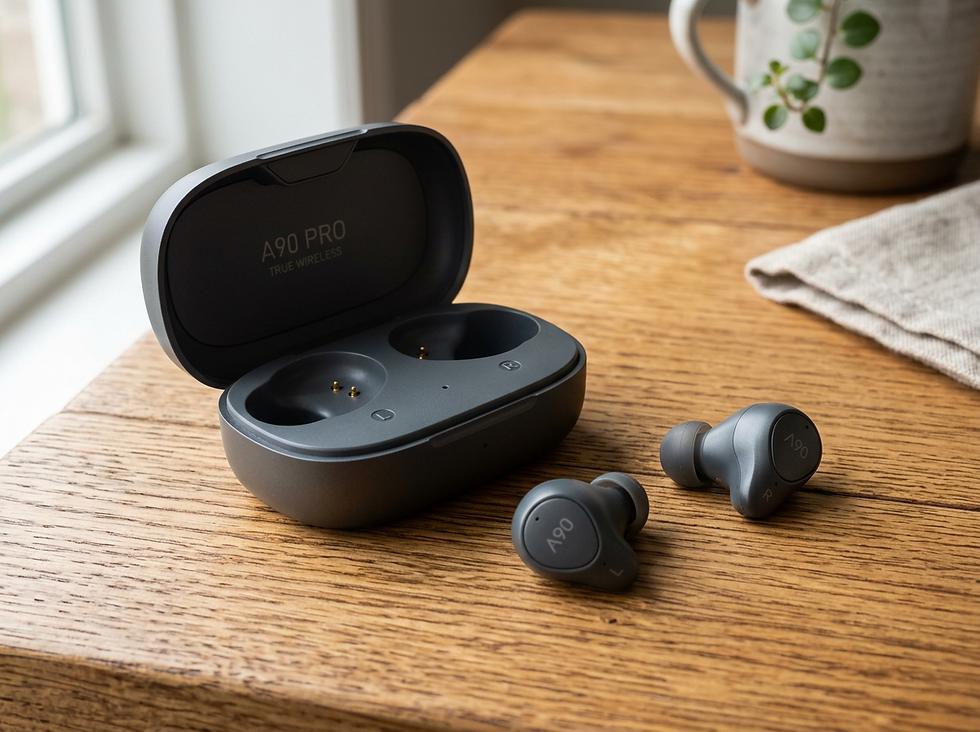
In-ear headphones, also called earbuds, fit directly inside your ear canal. They are lightweight and portable but can cause discomfort if they don’t fit well. Many brands include different sizes of silicone or foam tips to improve fit and seal. Proper fit is crucial for comfort and sound quality.
If you prioritize comfort for long listening sessions, over-ear headphones usually offer a better experience. For quick, on-the-go use, in-ear models are more convenient.
Sound Quality and Noise Isolation
Sound quality varies between these two types due to their design and how they interact with your ears.
Over-ear headphones typically deliver richer, fuller sound with better bass response. Their large drivers can produce a wider soundstage, making music feel more immersive. Closed-back over-ear models also provide good passive noise isolation by physically blocking outside noise.
In-ear headphones create a seal inside the ear canal, which helps block ambient noise effectively. This isolation can be surprisingly good, especially with foam tips that expand to fit your ear. However, their smaller drivers may not match the depth and clarity of over-ear headphones, especially in bass-heavy music.
For critical listening or home use, over-ear headphones often offer superior sound quality. For commuting or noisy environments, in-ear headphones provide excellent noise isolation in a compact form.
Portability and Convenience
How you plan to use your headphones affects which style suits you best.
In-ear headphones are small and lightweight, making them easy to carry in a pocket or small bag. They are perfect for workouts, travel, or daily commuting. Wireless in-ear models add freedom of movement without tangled cords.
Over-ear headphones are bulkier and less portable. While foldable designs and carrying cases improve transportability, they still take up more space. They are better suited for stationary use or when you don’t mind carrying extra gear.
If you need headphones for active use or travel, in-ear models offer unmatched convenience. For home listening or office use, over-ear headphones provide comfort and sound quality worth the extra size.

Durability and Battery Life
Durability and battery life are important if you want headphones that last.
Over-ear headphones tend to be more durable due to their sturdy build and fewer small parts. Their larger size allows bigger batteries, often providing 20 to 40 hours of playback on a single charge. Some wired models don’t require batteries at all.
In-ear headphones are more delicate and prone to damage from moisture or rough handling. Battery life varies widely, with many wireless earbuds offering 4 to 8 hours per charge plus additional charges from their cases. Wired in-ear models don’t need batteries but have cables that can tangle or break.
If you want long battery life and ruggedness, over-ear headphones are a strong choice. For portability with decent battery life, wireless in-ear headphones work well but require more care.
Use Cases and Lifestyle
Your lifestyle and how you plan to use headphones should guide your choice.
For office or home listening: Over-ear headphones provide comfort and sound quality for long sessions. Noise-cancelling models help block distractions.
For workouts and running: In-ear headphones stay secure and sweat-resistant models handle moisture better.
For travel and commuting: In-ear headphones are compact and offer good noise isolation. Wireless options reduce cable hassle.
For gaming: Over-ear headphones with surround sound and microphones enhance immersion and communication.
Choosing headphones that fit your daily routine ensures you get the most value and enjoyment.
Price and Value
Price ranges vary widely for both types, but there are some general trends.
Over-ear headphones often cost more due to larger drivers, advanced features like active noise cancellation, and premium materials. You can find quality models from £50 to over £300.
In-ear headphones range from budget-friendly wired options under £20 to high-end wireless earbuds costing £200 or more. Features like wireless charging and water resistance add to the price.
Consider what features matter most and balance cost with quality. Sometimes spending a bit more on comfort and sound pays off in long-term satisfaction.
Choosing between over-ear and in-ear headphones depends on your priorities. Over-ear headphones excel in comfort, sound quality, and battery life, making them ideal for home or office use. In-ear headphones offer portability, convenience, and effective noise isolation, perfect for active lifestyles and travel.


This is a great buying guide for over-ear vs. in-ear headphones – it covers the key differences in sound quality, comfort, and portability. I'd add that it's worth considering your primary use case, whether it's for travel, home listening, or sports. I recently visited https://spin-katana.org.uk/ and was impressed by their clear, user-friendly approach – a good model for sharing tech buying guides.